Collection: Sanding Discs

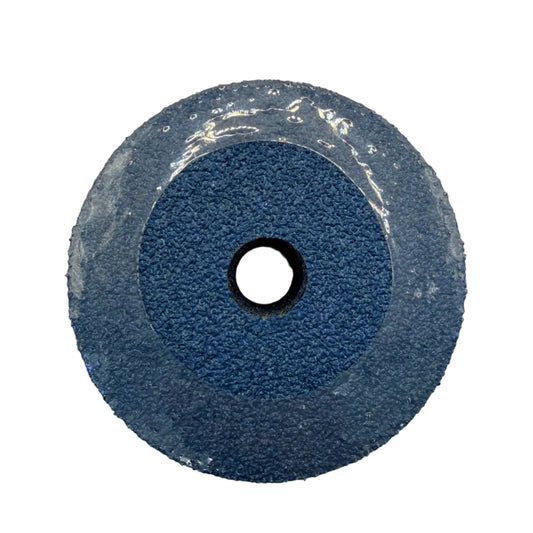
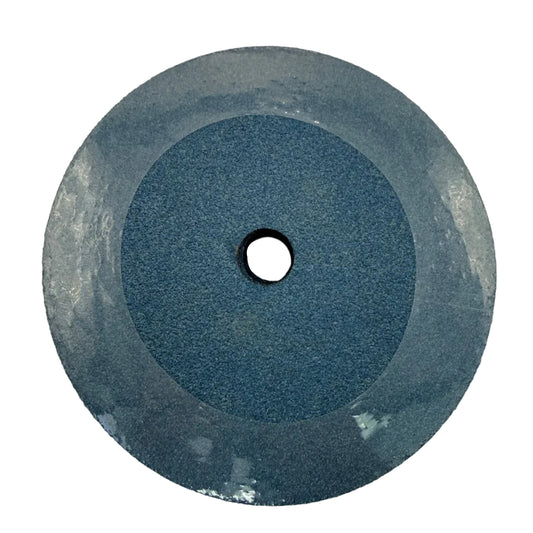
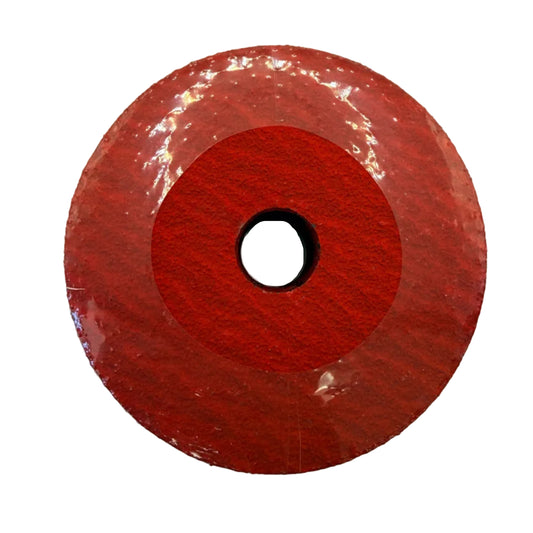
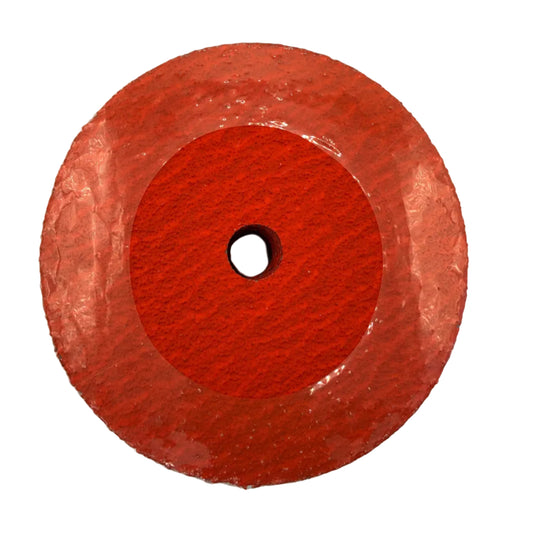
Resin fiber discs are built for the tough jobs. With their vulcanized fiber backing, these discs resist heat, glazing, and loading better than conventional options. They excel on both ferrous and non-ferrous metals, making them indispensable for metalworking applications.

What Are the Benefits of Resin Fiber Discs?

  • DURABILITY – Resin fiber discs are known for their toughness and long lifespan, making them an economical choice for extensive projects.
  • VERSATILITY – Suitable for use on various materials, including metal, wood and stone.
  • CONSISTENT PERFORMANCE – Provides a smooth, even finish with minimal effort.
  • HIGH CUT RATE – Efficiently removes materials, reducing the time needed to achieve the desired finish.
  • HEAT RESISTANCE – Can withstand high temperatures, reducing the risk of burns or damage to the workpiece.

Choosing the Right Resin Fiber Disc Grain for Your Project

Metal:

  • Aluminum Oxide: Ideal for general-purpose metal sanding, aluminum oxide resin fiber discs offer a balanced cut rate and durability.
  • Zirconia Alumina: Perfect for tougher metals like stainless steel, zirconia discs provide a longer lifespan and faster cut rates.
  • Ceramic: Best for high-pressure applications and hard metals, ceramic discs last the longest and cut the fastest.

Wood:

  • Aluminum Oxide: This abrasive is also great for wood, providing a smooth finish without clogging.
  • Zirconia Alumina: Good for hardwoods and heavy stock removal, zirconia ensures efficiency and durability.

Stone:

  • Silicone Carbide: can be used on stone, concrete, glass deburring and some wood applications

Metalworking Applications

  • Rust Removal: Easily remove rust from metal surfaces to prepare for painting or powder coating.
  • Weld Cleaning: turn your ugly welds into smooth and clean weld beads on various metal parts.
  • Surface Preparation: Prepare metal surfaces for coating, ensuring a clean and roughened surface for better adhesion.

Woodworking Applications

  • Stock Removal: Quickly remove large amounts of wood to shape and smooth the surface.
  • Paint Removal: Strip old paint or finishes from wooden surfaces effectively.
  • Surface Smoothing: Achieve a fine finish on wooden projects, ready for staining or varnishing.

Choosing the Right Grit:

Resin Fiber discs come in various grit options, ranging from coarse to fine grits. Selecting the right grit for your sanding application is crucial for achieving the desired finish. Coarse grits are ideal for rapid material removal, while fine grits are best suited for finishing and polishing tasks.

  • Coarse Grits: 40-60
  • Medium/Coarse Grits: 80-100
  • Medium Grits: 120-150
  • Fine Grits: 180-220
  • Very Fine Grits/Finishing: 240 and up

Resin Fiber Discs Tips

  1. Grit: Matters: Choose a coarser grit for initial sanding and finer grits for finishing touches.
  2. Find the Right Speed: Follow the manufacturer’s recommendations for the optimal speed setting on your grinder to avoid overheating and disc damage.
  3. Apply Adequate Pressure: Use moderate pressure to prevent the disc from wearing out too quickly or damaging the work surface.
  4. Maintain Safety: Always wear appropriate safety gear, including gloves, safety goggles, and a dust mask.  We suggest picking up our N95 Respirator, Grinder Hoods and full can hearing protection.

What backing pad should use?

There are a few different options on backing pads but they all come down to one thing, how stiff do you want your backing pad?

Soft Rubber – the softest backing pad offered.  These backing pads are favored by craftsmen sanding the inside radius of curves where the soft rubber can reshape itself and contour to the material better.

Hard Rubber – harder version of the soft rubber.  The backers are stiffer than their “soft” relative, providing a firmer sanding surface but still allowing for minor curvatures.  

Plastic – Hard plastic backers provide the firmest backing surface.  These backers are very rigid and are great for use on non-curved surfaces for fast stock removal.

FAQs

Does disc size matter?

Yes! Ensure the disc diameter matches your grinder's capacity, and the arbor hole aligns with your grinder's spindle for safe and efficient operation.

How do I properly mount the disc?

Use a compatible backing pad and secure the disc firmly. A loose disc is like a loose cannon—unpredictable and dangerous.

What's the recommended operating speed?

Always check the disc's maximum RPM rating and ensure your grinder doesn't exceed it. Over-speeding is a fast track to disc failure.

How can I extend the life of the disc?

  • Apply consistent pressure; avoid leaning into it like you're trying to move a mountain.
  • Maintain the correct angle, typically around 15 degrees.
  • Store discs in a cool, dry place to prevent moisture damage.

How do zirconia and ceramic discs compare aluminum oxide ?

Aluminum oxide discs are generally more affordable and suitable for general-purpose grinding. Zirconia and ceramic discs offer longer life and are better for heavy-duty applications but come at a higher cost.

What causes discs to wear out prematurely?

  • Excessive pressure during use
  • Operating at incorrect angles
  • Using on inappropriate materials
  • Overheating due to continuous use without breaks

How should I dispose of worn-out discs?

Follow local regulations for disposing of abrasive materials. Typically, they can be discarded with regular industrial waste unless contaminated with hazardous substances.

What's the shelf life of these discs?

When stored properly in a cool, dry environment, they can last several years. However, it's best to use them within a year for optimal performance.

How do I know when to replace the disc?

Replace the disc when it shows signs of excessive wear, damage, or if it becomes less effective at material removal.